History Of Minigolf
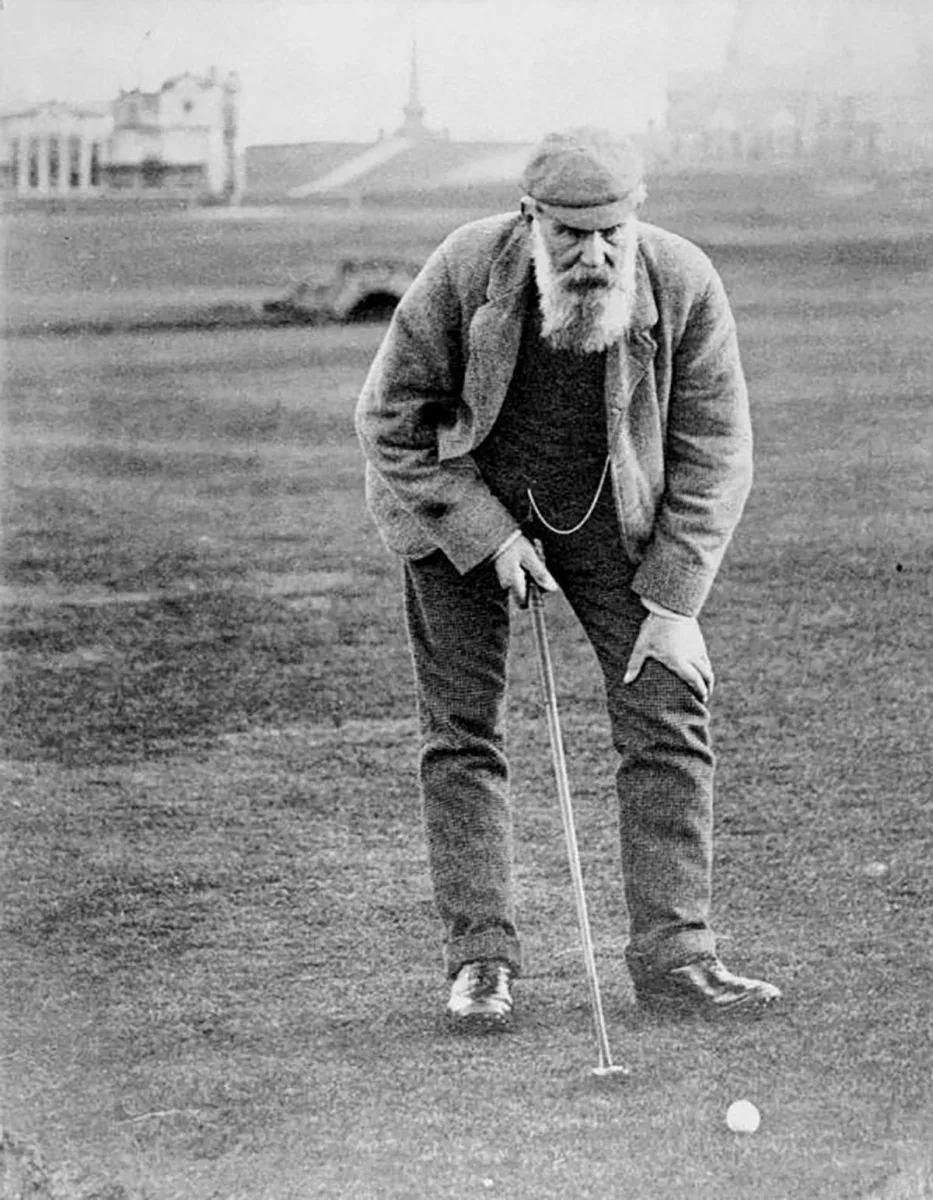
The story of minigolf begins with the history of golf itself, which traces its roots to the coastlines of Scotland in the 15th century.
Back then, golfers would strike a pebble instead of a ball across dunes using a simple stick or club a far cry from the refined sport we know today.
By the mid-18th century, golf had evolved into a structured game.
In 1774, golfers in Edinburgh, Scotland, wrote the first standardized rules for the sport, laying the foundation for modern golf.
The Birth of Miniature Golf (1867)
The origins of miniature golf date back to 1867, when it was first designed as a version of golf that women could play.
At that time, cultural norms discouraged women from raising a club above their shoulders, which made traditional golf socially “improper.”
To overcome this barrier, women themselves created a smaller, putting-focused version of the game one that emphasized accuracy and creativity over power.
Although the motivation reflected the limitations of its era, this invention represented a significant step toward inclusion in sports.
Miniature golf became a modest and enjoyable alternative to full-scale golf, allowing women to participate in the game they loved and unknowingly paving the way for one of the most beloved recreational sports in the world.
From Garden Pastimes to Global Popularity
Early minigolf courses were miniature versions of full golf courses.
Imagine carefully designed landscapes with tiny fairways, greens, bunkers, sand and water traps, and even miniature trees all scaled down for precision putting.
These early courses mimicked real golf in design and challenge, yet made the game accessible, social, and fun.
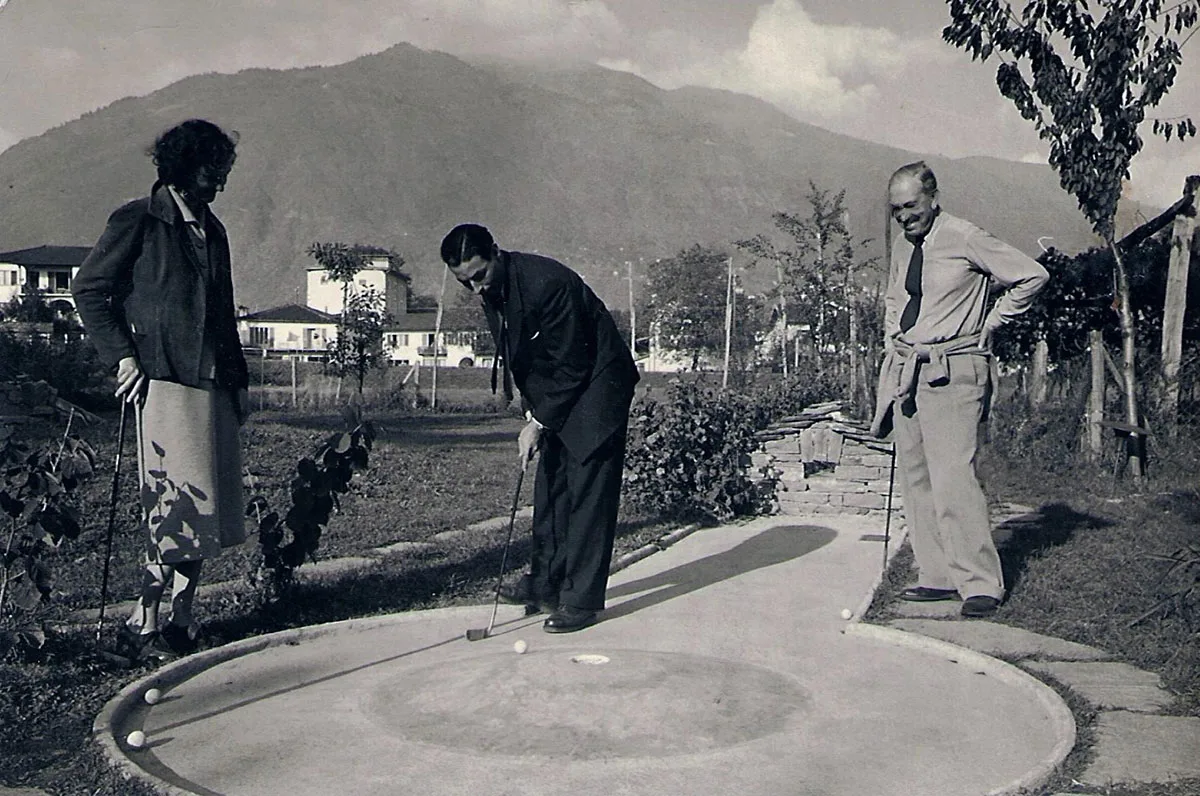
By the late 19th and early 20th centuries, minigolf had become a popular garden pastime in Europe and North America.
Its simplicity and adaptability meant that it could be played almost anywhere from private estates to public parks.
The sport’s modern rise began in the early 20th century, when new materials like artificial turf and concrete made it easier to build compact, standardized courses.
This evolution transformed minigolf from a casual amusement into a recognized competitive sport.
Today, minigolf often called miniature golf, putt-putt, or simply minigolf is played and loved across the world.
It’s a sport that combines creativity, focus, and precision, making it suitable for players of all ages and abilities.
Modern courses feature innovative designs, thematic layouts, and challenging obstacles, while professional players compete under standardized rules established by the World Minigolf Sport Federation (WMF).
In Asia, the Asia Minigolf Sport Federation (AMF) continues to build on this global legacy promoting minigolf not just as a leisure activity, but as a recognized sport that unites nations through fair play and friendship.